
Skinpen Microneedling
One Of Seven Pittsburgh Microneedling Providers Using The FDA-Approved SkinPen For Collagen Stimulation

What is Microneedling?
SkinPen is the first FDA-approved micro-needling device that causes tiny perforations in the skin to stimulate collagen production. The result is a remodeling of scar tissue while keeping the skin intact.
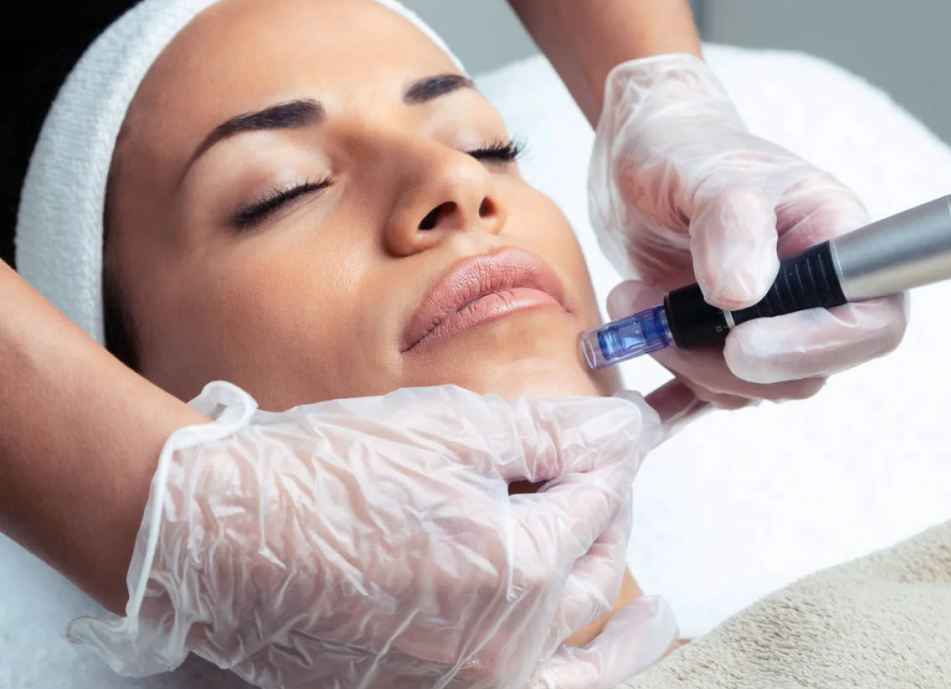
How does Microneedling work?
Phase I: Inflammation
Piercing the skin triggers your immune system to disinfect the wounds, increase blood flow, and create new tissue.
Phase II: Proliferation
The wound is rebuilt with new granulation cells, which are part of the extracellular matrix. A new network of blood cells is created.
Phase III: Remodeling
The wound is replaced with new dermal tissues and blood vessels.
What should I expect?
- Nurse Alyssa creates a custom plan for you. Avere Beauty curates a custom plan for optimal results just for you. Everyone has different skin and treatments can be slightly altered to achieve better results.
- Comfortable Procedure. Our Pittsburgh office was crafted with comfort in mind. Our aesthetic chair provides comfortable positioning to ensure you have the best experience during your micro-needling.
- Short Procedure. Our microneedling procedures shouldn't take more than 30 minutes.
- Only Stings a Little. Most patients report feeling slight vibration from the micro-needling pen.
- Minimal Post-Procedure Effects. While the skin will appear red immediately after treatment similar to a mild sunburn, this is an expected result and will soon begin to clear up. See our SkinPen Aftercare Guide for more information.

WHAT ELSE CAN MICRONEEDLING HELP?
LARGE PORES
The SkinPen, the only FDA-approved micro-needling device, can help diminish the appearance of large pores. The SkinPen creates micro-injuries in the skin triggering the body's own immune response. This response naturally produces collagen and elastin. The collagen and elastin help to tighten the skin and reduce the appearance of large pores
ACNE SCARRING
Facial scarring, and especially acne scarring, can be a problematic issue for many people. The SkinPen helps scarring by causing micro-injuries to the skin to trigger the body's immune system to remodel the scar tissue. The scar remodeling occurs while still ensuring the skin's overall structure is still intact. During a six-month clinical trial, the use of the SkinPen helped to improve acne scars in 90% of patients.
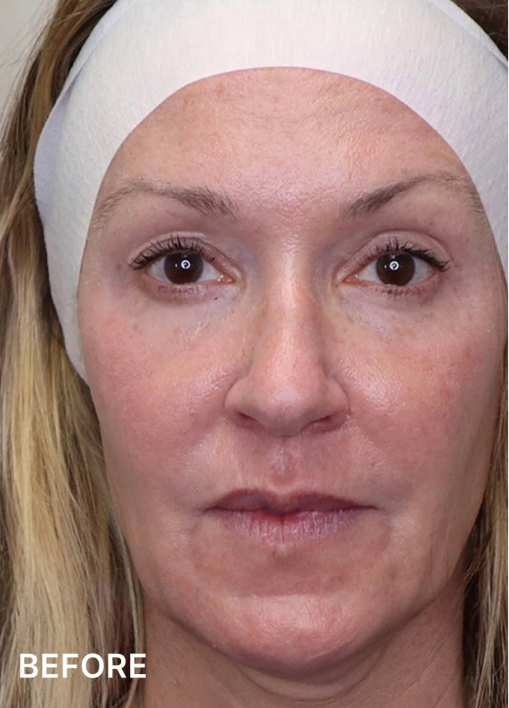
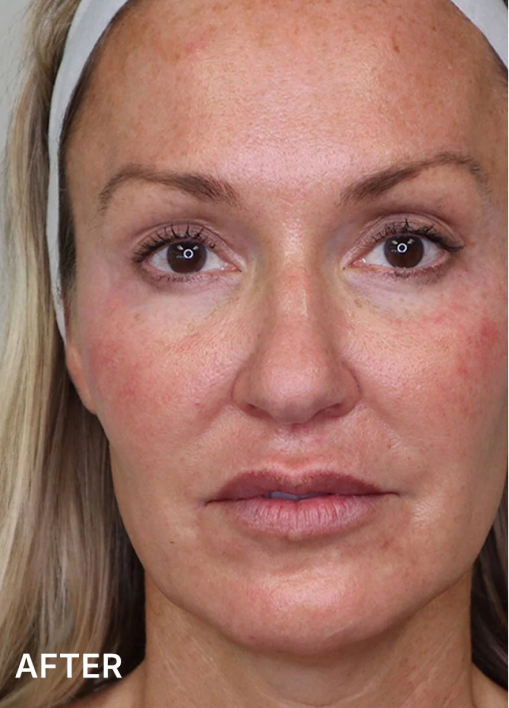
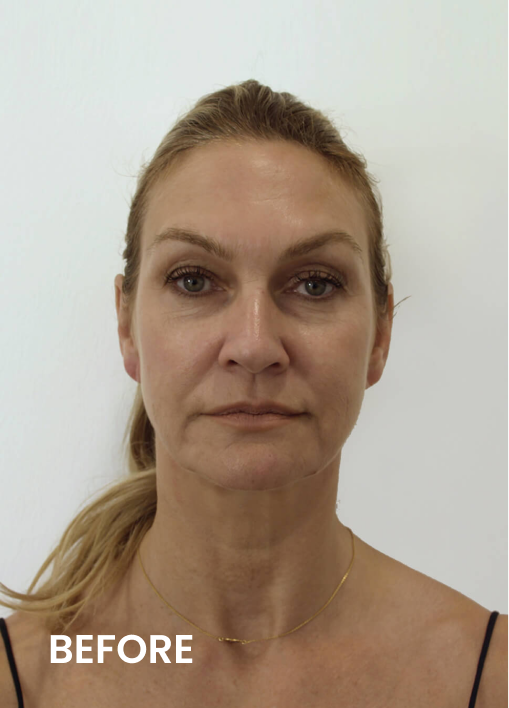
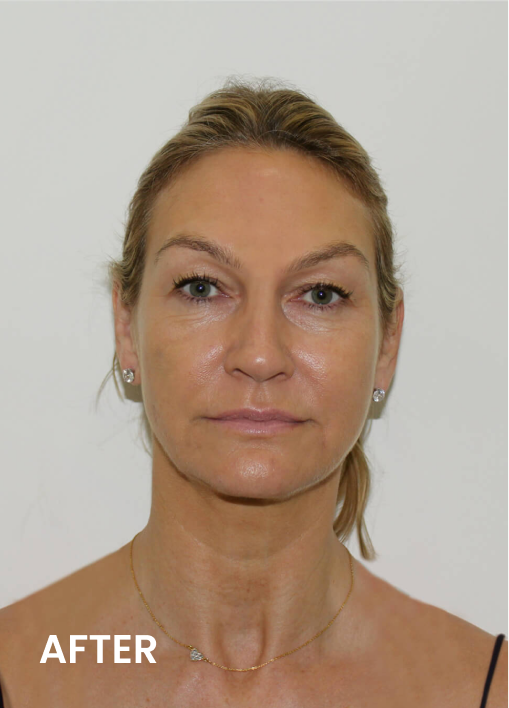
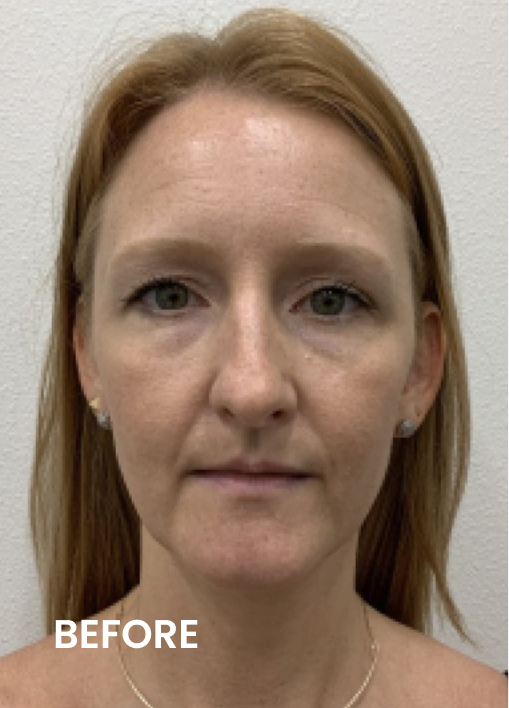
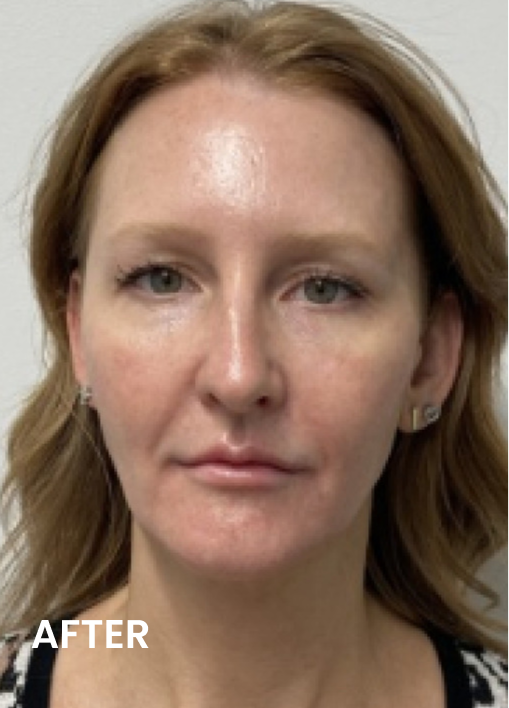
The Proof Is In The Pictures...


Frequently Asked Questions
What are neurotoxins?
How do neurotoxins work?
Are neurotoxin treatments safe?
How long do neurotoxin effects last?
Are neurotoxin treatments painful?
What areas can be treated with neurotoxins?
Who is a good candidate for neurotoxin treatments?
What should I expect during a neurotoxin treatment?
Are there any alternatives to neurotoxin treatments?
There are several alternatives to neurotoxin treatments for wrinkle reduction, including dermal fillers, laser resurfacing, and chemical peels. These treatments work in different ways and may be more suitable for some individuals depending on their specific goals and concerns.